10 Practical Ways to Save Money on Home Renovation
10 Practical Ways to Save Money on Home Renovation
Home renovation projects are notorious for exceeding budgets, often ending up 15% to 20% more expensive than initially estimated. With the rising costs of construction materials and contractor labor in 2026, homeowners are constantly looking for ways to economize. How can you save money on your home remodel without sacrificing build quality and aesthetic appeal?
The secret to a budget-friendly renovation is not buying cheap materials that will fail in a few years. Instead, it lies in smart planning, efficient labor utilization, layout optimization, and material substitution. Here are 10 proven, practical ways to keep your renovation costs under control.
💡 1. Lock in Your Design Before Construction Starts
The most expensive mistakes in remodeling are changes made mid-project. If you decide to move an electrical outlet after the drywall is finished, or if you change your mind and switch from a shower to a bathtub after the plumbing is roughed-in, you will face hefty change orders.
Change orders represent additional contractor labor, material waste, and scheduling delays. Take the time to create a detailed blueprint, pick out your fixtures, and commit to a layout before any contractor steps foot on your property.
🧑🔧 2. Take Care of Simple DIY Tasks
You can save thousands of dollars in labor by doing basic preparatory and finishing work yourself. Professional laborers charge $30 to $60 per hour for work that requires little to no prior training. Consider taking on these tasks:
- Demolition: Removing old drywall, pulling up carpet, taking off baseboards, and tearing out old kitchen cabinets is labor-intensive but easy to DIY. Just make sure to shut off water and electricity to the room before starting.
- Waste Disposal: Instead of paying the contractor to haul trash away, rent a dumpster yourself and throw the debris in it.
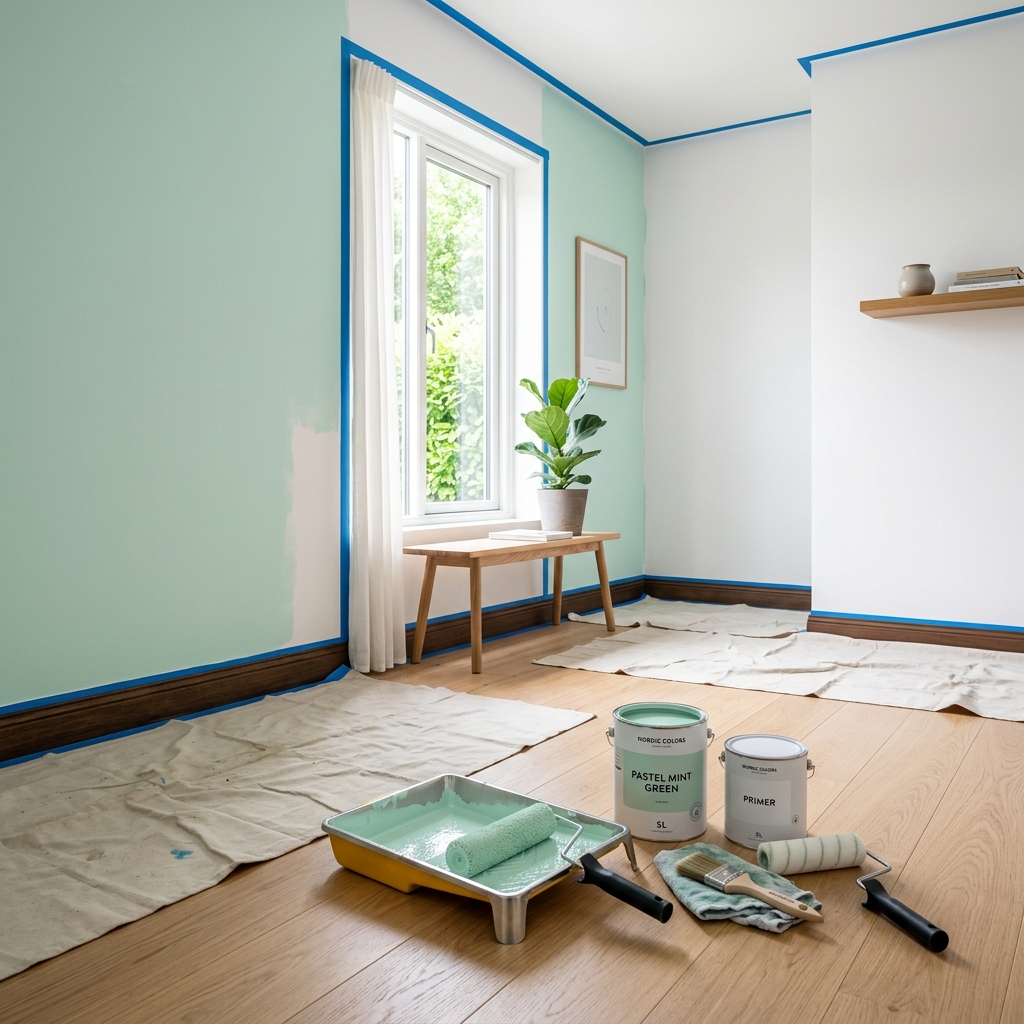
- Priming and Painting: Painting is highly DIY-friendly. Spend time on prep work (patching holes, sanding, applying painter's tape) to ensure a professional-looking result.
🧱 3. Buy Building Materials Online and in Bulk
Traditional retail home improvement stores apply high markups on basic building supplies such as tile adhesives, grouts, sealants, joint compound, and wall primers.
Purchasing these materials in bulk from online wholesalers or local trade suppliers can save you 20% to 30% on material costs. If you are hiring contractors, ask them if they will allow you to buy the materials yourself using their contractor discount code at major suppliers.
📐 4. Avoid Large-Format or Very Small Mosaic Tiles
Tiling labor rates are heavily tied to tile size.
- Oversized tiles (like 36"x36" or 24"x48" porcelain) require extremely flat walls and floors. If your substrate is uneven, the contractor must spend hours applying self-leveling compound or shimming walls, driving up labor costs. Large tiles also require two people to lift and set, which increases labor hours.
- Tiny mosaic tiles are tedious to align and grout, requiring slow, detail-oriented work.
Choosing standard tile sizes like 12"x24" or 24"x24" is the sweet spot. They are fast to install, generate less waste, and cost much less in labor fees.
🪟 5. Use Surface-Mounted Lighting Instead of Drop Ceilings
To install recessed LED can lights in a solid concrete ceiling, contractors must construct a drop ceiling out of metal framing and drywall. This process involves framing, hanging drywall, taping, mudding, and sanding—costing up to $15 per square foot.
Instead, paint your existing plaster ceiling and install modern track lighting or surface-mounted spotlights. This approach gives you a premium, contemporary aesthetic while preserving ceiling height and saving you money.
🚪 6. Choose Standard Pre-Hung Doors
Hidden door frames (frameless doors that sit flush with the wall) are popular in minimalist designs. However, installing them is a complex process. The frames must be integrated into the drywall framing stage with extreme precision.
A single frameless door installation can run $800 to $1,500 in labor. Choosing standard pre-hung doors with simple casing can save you hundreds of dollars per doorway and is much easier to install.
🛁 7. Keep Your Plumbing Stack Intact
Moving a toilet, sink, or shower drain requires cutting through floor joists, rerouting vents, and laying new sloped drainage pipes beneath the floor. This layout change can easily add $1,500 to $3,500 to your plumbing bill. Keeping your plumbing fixtures in their original positions is the single best layout decision you can make to cut costs.
🛋️ 8. Substitute High-End Finishes with Mid-Tier Alternatives
You can achieve a high-end look without paying high-end prices by selecting smart alternative materials:
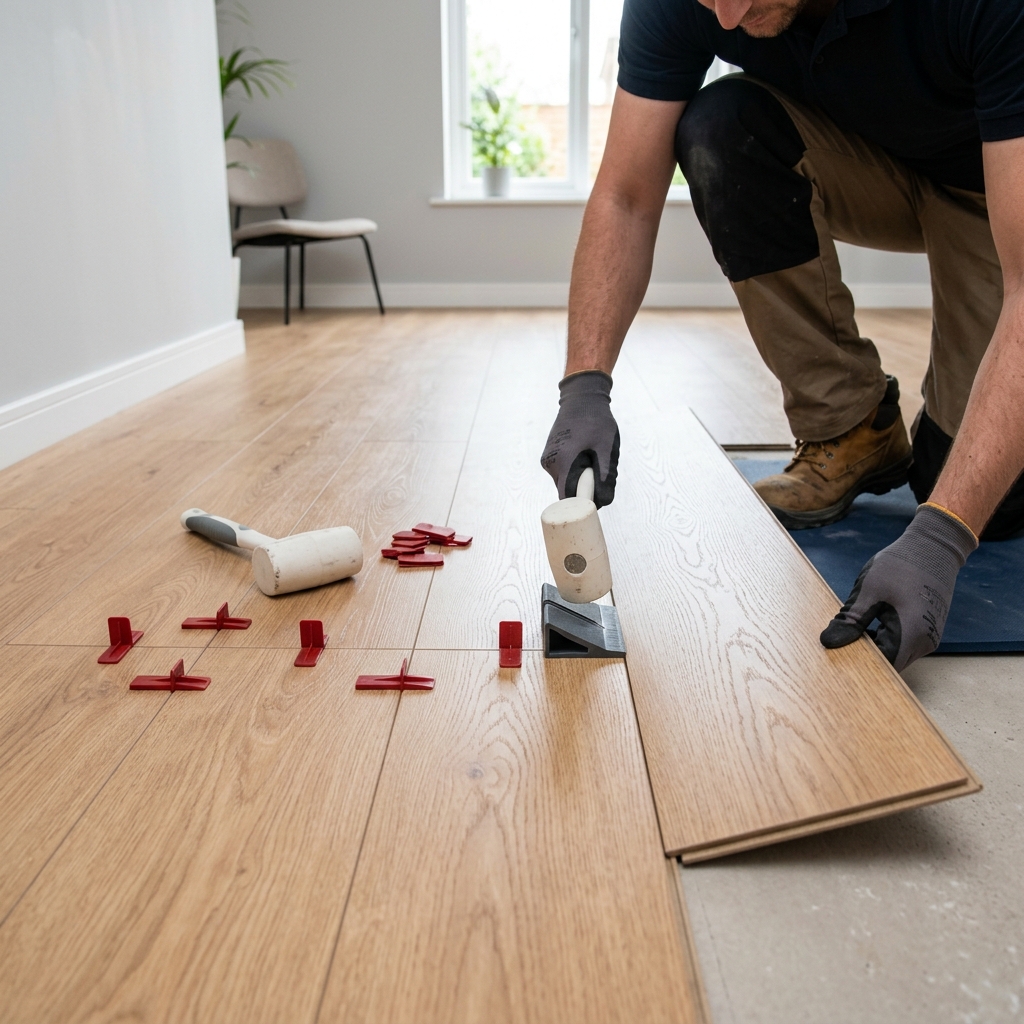
- Flooring: Instead of solid hardwood, choose high-quality Luxury Vinyl Plank (LVP) or engineered laminate with a register-embossed grain. It looks and feels like wood but is waterproof, scratch-resistant, and costs a fraction of the price.
- Countertops: Instead of premium marble, which stains easily and requires sealing, choose quartz or high-density laminate with marble-vein patterns.
- Trim: Use MDF (Medium Density Fiberboard) for baseboards and casings instead of solid pine or oak. MDF is pre-primed, perfectly straight, and much cheaper.
| Luxury/Premium Choice | Cost per unit | Smart Budget Alternative | Cost per unit | Estimated Savings (150 sq ft) |
|---|---|---|---|---|
| Solid Oak Hardwood | $12 - $18 / sq ft | Embossed Laminate / LVP | $3 - $5 / sq ft | $1,350 - $1,950 |
| Carrara Marble Countertop | $100 - $150 / sq ft | Quartz (Marble Look) | $50 - $80 / sq ft | $1,500 - $2,100 (30 sq ft) |
| Floor-to-Ceiling Wall Tile | $15 / sq ft | Wet-Zone Tile + Painted Drywall | $4 / sq ft | $1,100 (100 sq ft wall) |
| Solid Pine Baseboards | $2.50 / linear ft | MDF Baseboards | $0.90 / linear ft | $80 (50 linear ft) |
🚿 9. Limit Tiling to Wet Zones
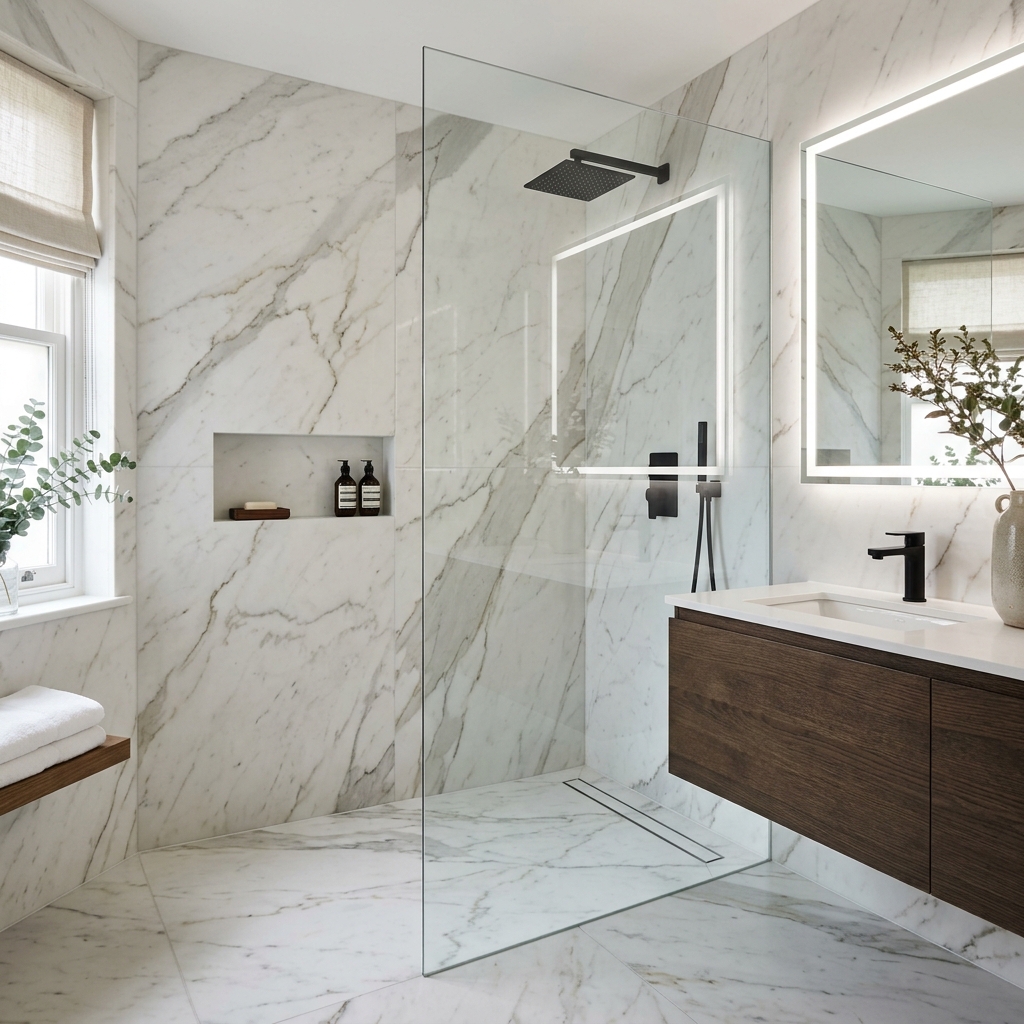
You don't need to tile your bathroom from floor to ceiling. Limit tiling to the inside of the shower stall, around the tub, and as a backsplash behind the vanity. Use durable, mildew-resistant bathroom paint for the dry areas. This reduces your material costs and installation labor by half.
💰 10. Estimate Materials Precisely to Avoid Waste
Do not order materials based on guesses. Measure your room dimensions and use our free online budget calculator to estimate exactly how many gallons of paint, bags of grout, and square feet of flooring you need. Precise estimates ensure you buy only what is necessary, saving you money!
❓ Frequently Asked Questions (FAQ)
Is it always cheaper to DIY my renovation?
Not always. While DIY saves on labor costs, it can backfire if you make mistakes that require professional repair. Tasks like structural demolition, electrical wiring, and high-pressure plumbing should always be handled by licensed professionals. DIY is best suited for painting, cosmetic demolition, simple flooring installation, and landscaping.
Which trades should I absolutely hire a professional for?
- Electrical: Incorrect wiring is a fire hazard and must meet strict code requirements.
- Structural Work: Removing load-bearing walls without proper structural beams can cause ceiling collapse.
- Plumbing (Rough-ins): Leakage inside walls can cause mold and thousands of dollars in water damage before you notice it.
How do I negotiate with a contractor?
Do not negotiate by asking for a flat discount. Instead, ask for an itemized breakdown. Review the list and negotiate by adjusting the scope of work. For example, tell the contractor: "I will handle the demolition and paint the walls myself. Please remove those tasks from the quote." This reduces the total cost without squeezing the contractor's margins on the specialized work they perform.
What are the risks of using cheap materials?
Using sub-par materials can cost you more in the long run. Cheap paint requires more coats to cover a wall, cheap vinyl flooring can scratch and tear easily, and cheap plumbing valves are prone to leaking. Always choose mid-range, reputable brands that offer warranties on their products.