Bathroom Renovation Costs in 2026: A Complete Guide
Bathroom Renovation Costs in 2026: A Complete Guide
Renovating a bathroom is one of the most rewarding home improvement projects you can undertake. Not only does a remodel enhance your daily comfort and quality of life, but it also yields a high return on investment (ROI), typically recouping between 60% and 70% of its cost upon resale. However, because it combines dense plumbing, specialized electrical work, waterproofing, tiling, and ventilation in a relatively small footprint, it is often one of the most expensive rooms per square foot to renovate.
In this comprehensive guide, we analyze the average bathroom remodel costs for 2026, outline the key drivers of expense, provide a step-by-step breakdown of the construction process, and share expert strategies to maximize your renovation budget.
💰 Average Bathroom Remodel Costs (2026 Estimates)
For a standard-sized full bathroom (approximately 50 to 60 square feet), the overall budget is highly dependent on the quality of materials and whether you hire professional labor. Expect the following total budget breakdowns in 2026:
Budget Breakdown by Tier
- Low-End / Budget ($6,000 – $10,000): This budget tier is ideal for a cosmetic refresh or a guest bathroom update. It typically involves keeping the existing layout, using off-the-shelf vanities, standard ceramic tiles, and builder-grade fixtures. Homeowners can keep costs closer to the lower end of this range by handling tasks like demolition, painting, or simple fixture installations themselves.
- Mid-Range / Standard ($11,000 – $22,000): The most common project scope. This includes hiring professional contractors for plumbing, electrical, and tiling work. It features updated layouts, higher-quality porcelain tiles, semi-custom vanities, quartz countertops, a new shower or tub enclosure, and mid-grade brand-name fixtures (such as Kohler, Delta, or Moen).
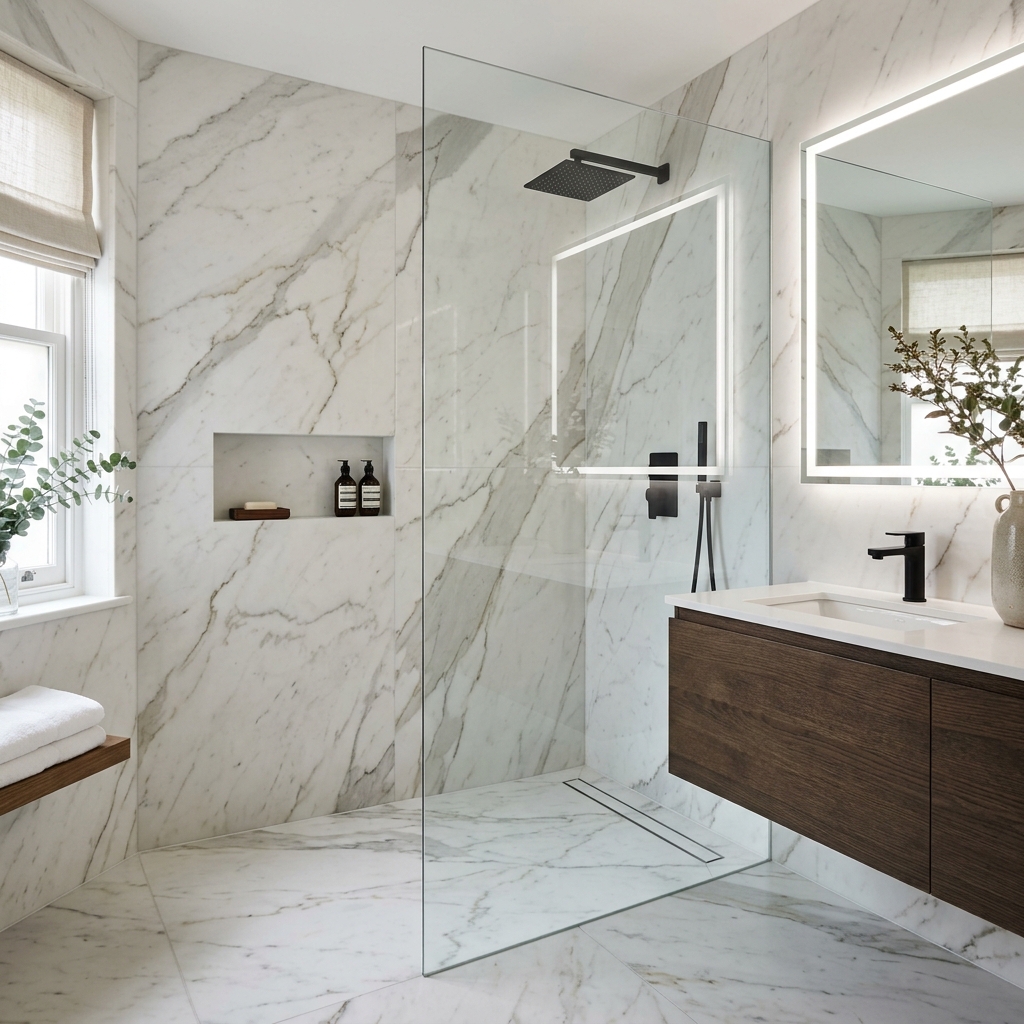
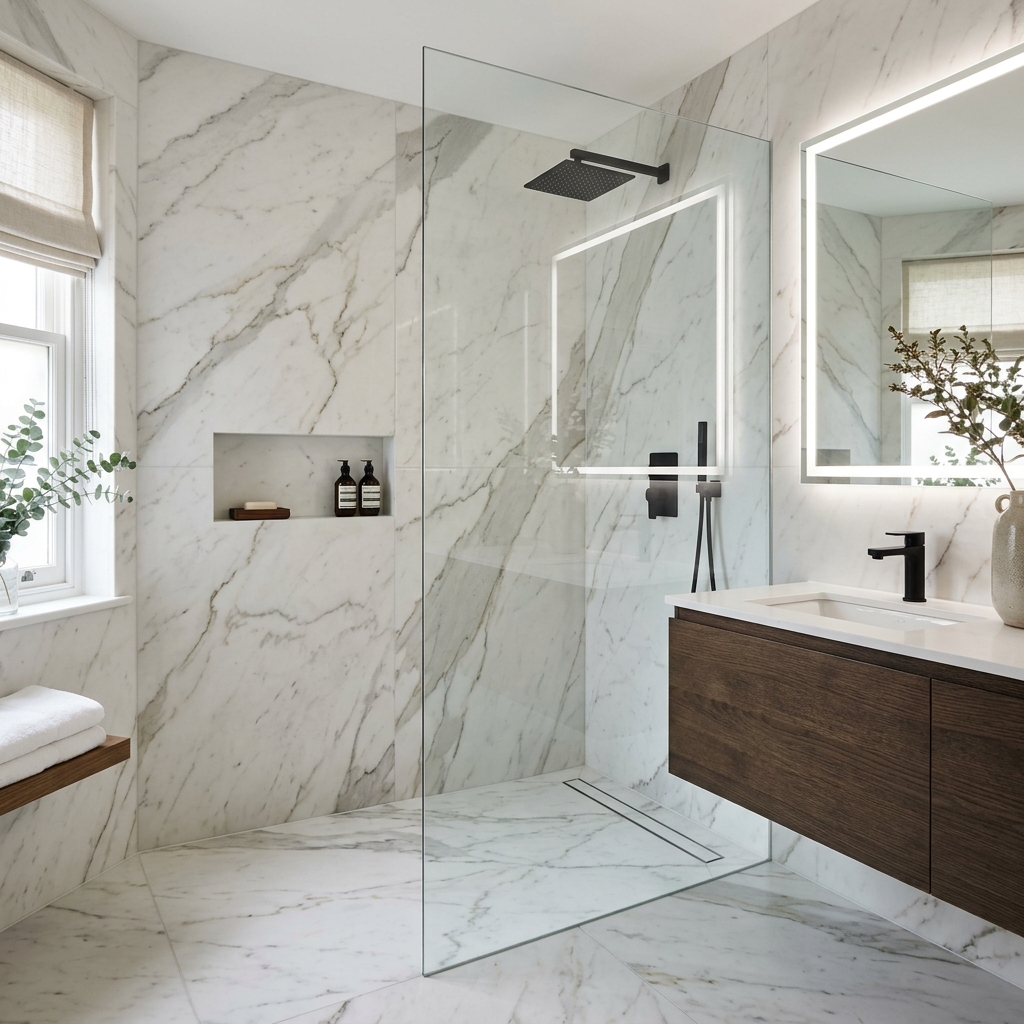
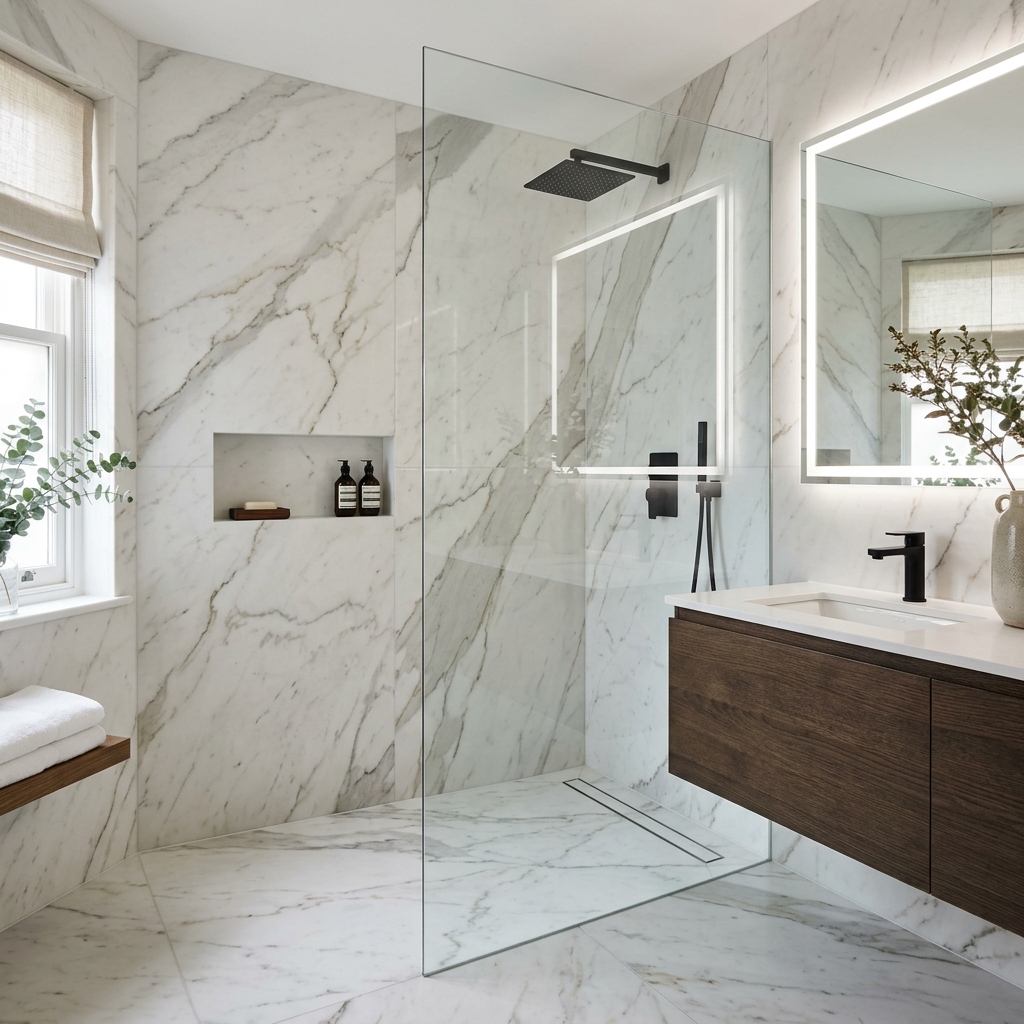
- High-End / Luxury ($25,000 – $45,000+): This level of renovation involves completely gutting the space and changing the layout. It includes structural changes, custom-built cabinetry, natural stone or large-format porcelain tiles, frameless glass shower enclosures, freestanding soaking tubs, high-tech smart toilets, premium multi-valve shower systems, and underfloor heating.
Below is a detailed cost comparison table outlining where budget allocations go across these three tiers:
| Cost Category | Budget ($6K - $10K) | Mid-Range ($11K - $22K) | Luxury ($25K - $45K+) |
|---|---|---|---|
| Demolition & Prep | DIY / $500 | $800 - $1,500 | $2,000 - $3,500 |
| Plumbing & Fixtures | $1,500 - $2,500 | $3,500 - $6,000 | $8,000 - $15,000+ |
| Tiling & Floor Material | $1,000 - $2,000 | $3,000 - $5,500 | $7,000 - $12,000 |
| Vanity, Tops & Mirror | $800 - $1,500 | $1,800 - $3,500 | $4,500 - $8,000+ |
| Electrical & Lighting | $400 - $800 | $1,000 - $2,000 | $2,500 - $5,000 |
| Paint & Finishes | $300 - $600 | $700 - $1,200 | $1,500 - $3,000 |
| Permits & Admin | DIY / $200 | $500 - $1,000 | $1,200 - $2,500 |
🛠️ Key Cost Factors and Labor Rates
Understanding where your money goes is crucial for budget control. In a bathroom, labor is a massive component, often representing 50% to 60% of the overall invoice. Below are the key labor rates and cost drivers for 2026:
1. Tile Installation
Tiling is a highly skilled trade. Floor and wall tiling rates range from $10 to $18 per square foot for labor, depending on the complexity of the tile and pattern. Large-format porcelain tiles (e.g., 24"x48") require two installers and flat walls, increasing the labor rate. Intricate patterns like herringbone or small mosaic tiles also demand higher hourly rates due to the extensive cutting and detailing involved.
2. Plumbing Work
Plumbing layout changes are major budget-drivers. A licensed plumber charges between $75 and $150 per hour. Installing standard fixtures (toilet, sink vanity, shower valve) typically ranges from $300 to $650 per fixture in labor. However, if you decide to move a toilet drain or relocate the shower valve to an opposite wall, expect to add $1,500 to $3,000 for rerouting the waste stacks and water supply lines.
3. Waterproofing (The Wet Zones)
Improper waterproofing is the leading cause of bathroom remodel failures, resulting in dry rot and mold. Contractors utilize advanced waterproofing systems such as liquid membranes (e.g., RedGard) or sheet membranes (e.g., Schluter-Kerdi). Professional waterproofing for a standard shower enclosure ranges from $3.50 to $5.00 per square foot for materials and application, a small price to pay to avoid future structural damage.
4. Permitting and Inspections
If you are replacing drywall or upgrading plumbing and electrical systems, you will need municipal building permits. Permits ensure the safety and legality of your build. Permit fees and inspector visits add $400 to $1,200 to the project cost, depending on local regulations and project scope.
📐 Materials Planning and Estimation
To keep your project running smoothly, you must purchase the correct amount of materials. Buying too little leads to project delays, while buying too much wastes your budget. Follow these industry standards when estimating your bathroom supplies:
- Tile Waste Margin: Always add a safety margin to your net surface area. For standard straight tiling patterns, add a 10% waste margin. For diagonal layouts, herringbone, or intricate mosaic configurations, add a 15% waste margin to account for cutting triangles and corner wastage.
- Mortar / Tile Adhesive: A solid rule of thumb is to allocate 5 kg (11 lbs) of thinset mortar per square meter of tiled surface. This varies slightly based on the notch size of the trowel used.
- Grout Consumption: On average, you will need 0.5 kg of grout per square meter of tile, depending heavily on the width of the tile joints and the thickness of the tile.
- Paint Coverage: Standard latex bathroom paint covers approximately 350 to 400 square feet per gallon for a single coat. Always plan for two coats.
📋 Step-by-Step Bathroom Renovation Process
To keep your bathroom renovation organized and on budget, it helps to understand the chronological sequence of work:
Phase 1: Planning, Design & Permitting (Weeks 1-3)
Before any physical work begins, finalize your layout, select all materials (tiles, vanity, fixtures), and apply for necessary building permits. Having all components delivered to your house before demolition starts prevents costly construction delays.
Phase 2: Demolition & Site Prep (Days 1-3)
This step involves stripping the bathroom down to its studs and subfloor. Care must be taken not to damage active electrical wires or plumbing lines hidden behind the drywall.
Phase 3: Plumbing & Electrical Rough-Ins (Days 4-7)
Plumbers install new valves, drain pipes, and water lines, while electricians run new circuits for GFCI outlets, light fixtures, and exhaust ventilation fans.
Phase 4: Inspections & Waterproofing (Days 8-10)
Inspectors verify that the rough plumbing and electrical systems meet local building codes. Once approved, the walls are closed up with cement board or moisture-resistant drywall, and the wet areas are sealed with waterproofing membranes.
Phase 5: Tiling & Grouting (Days 11-15)
Tiles are laid on the floors and walls, left to cure, and then filled with grout. Once clean, grout lines are sealed to resist moisture and staining.
Phase 6: Fixture Installation & Finishes (Days 16-20)
The toilet, vanity, sink, faucets, shower heads, trim, and light fixtures are installed. The remaining walls are primed and painted, and silicone caulk is applied along joints to ensure airtight seals.
💡 Top Ways to Save on Your Bathroom Remodel
If you want to keep costs to a minimum without sacrificing style or safety, try implementing these expert strategies:
- Maintain the Existing Footprint: Moving drains, toilets, or water lines requires drilling through floor joists and rerouting pipes. Keeping the plumbing layout exactly the same can save you up to $3,000 in labor.
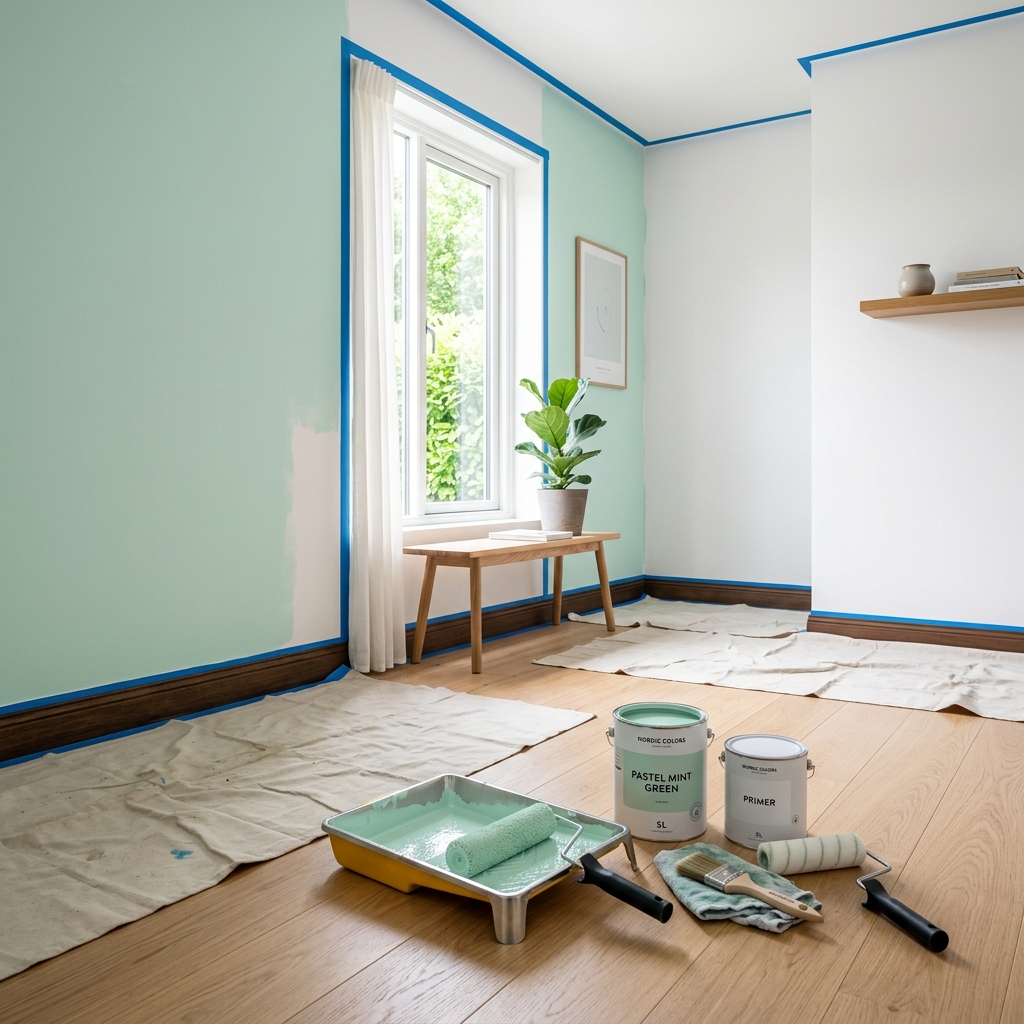
- Tile the Wet Zones Only: You do not need to cover every wall in tile. Restrict tile installation to the interior of the shower and bathtub enclosure, and a small backsplash behind the sink. Paint the rest of the walls with a high-quality, mold-resistant paint designed for high-humidity environments.
- DIY the Demolition and Painting: Professional demolition can cost $800 to $1,500. Renting a dumpster, putting on safety gear, and removing drywall, old fixtures, and flooring yourself is a manageable DIY task. Painting is another project that requires minimal specialized tools and can save you hundreds of dollars.
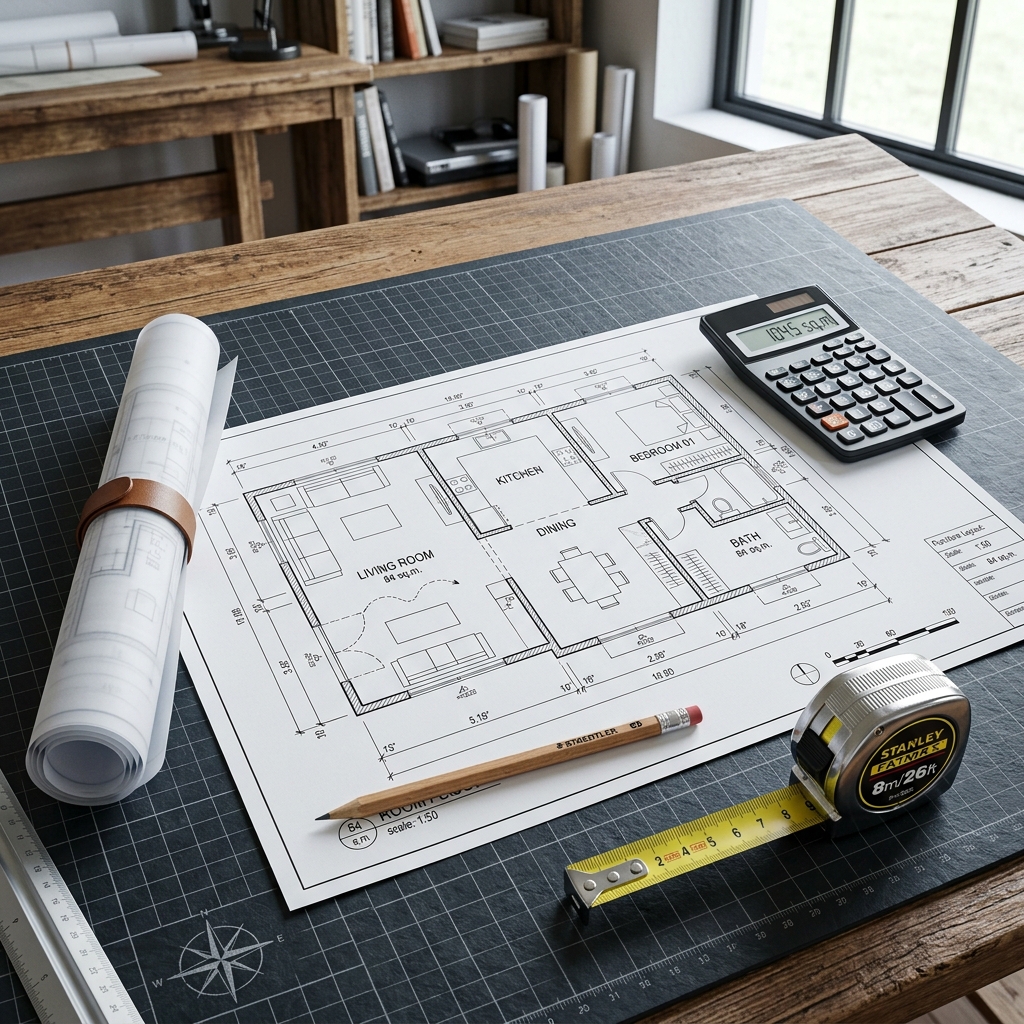
- Use an Online Budget Estimator: Before requesting quotes from contractors, use our interactive 2D Room Planner & Cost Calculator to map out your room dimensions, place virtual doors and windows, and calculate the exact material requirements automatically. This keeps you informed and prevents contractor overcharging.
❓ Frequently Asked Questions (FAQ)
How long does a typical bathroom remodel take?
A full cosmetic remodel can take 1 to 2 weeks. A complete gut renovation involving plumbing relocations, tiling, and inspections typically takes 3 to 4 weeks. Always prepare for alternative bathing arrangements if you only have one bathroom.
Should I choose ceramic or porcelain tiles for my bathroom?
Porcelain is denser, harder, and less porous than ceramic, making it the superior choice for bathroom floors and shower enclosures. Ceramic is easier to cut and is highly suitable for wall applications where moisture absorption is less of a concern.
Can I install luxury vinyl plank (LVP) flooring in a bathroom?
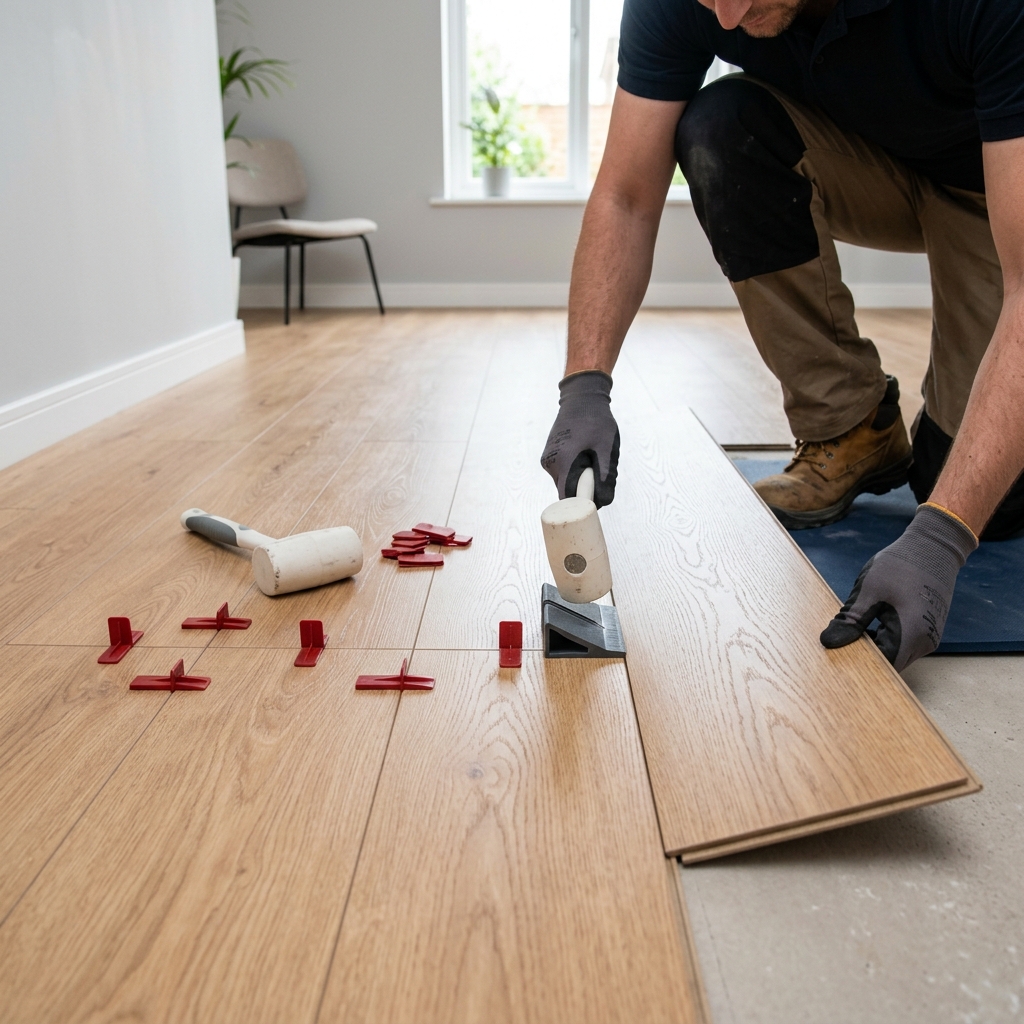
Yes, but you must ensure you purchase 100% waterproof LVP. While LVP is warm underfoot and easy to install, tile remains the preferred choice for long-term home resale value.
What is the most important element of bathroom ventilation?
A properly sized exhaust fan is critical. In 2026, building codes specify that exhaust fans must vent directly to the outside of the home, not into the attic. Attics can trap the hot, moist air, leading to hidden mold growth. Make sure to purchase a fan rated for the square footage of your room.
How much does it cost to convert a bathtub into a walk-in shower?
Converting a tub to a walk-in shower typically costs between $3,000 and $7,000. This requires removing the old tub, adjusting the drain height (showers require a 2-inch drain line, whereas tubs only require a 1.5-inch line), installing a shower pan, waterproofing, and tiling the walls.